Horse Trekking in Kyrgyzstan: What to Expect
Kyrgyzstan offers some of the most breathtaking horse trekking experiences in Central Asia. From the rolling hills to the alpine lakes, here’s what you can expect on a multi-day adventure.
1. Stunning Landscapes at Every Turn
Kyrgyzstan is a country where every horizon tells a story, and each region has its own breathtaking charm. At Song-Kul Lake, you’ll find yourself surrounded by rolling alpine meadows dotted with grazing horses and yurts, a high-altitude sanctuary where the silence is broken only by the wind or the distant call of shepherds. Kel-Suu Lake, tucked in the remote mountains, offers a more rugged beauty, with turquoise waters framed by jagged peaks-reaching it feels like discovering a secret corner of the world.
In Bishkek, the capital, lush green parks and tree-lined boulevards sit in the shadow of distant snow-capped mountains, offering a surprising blend of urban life and nature. Just outside the city, the ancient Burana Tower rises from the steppe, a relic of the Silk Road era, surrounded by rolling hills and scattered petroglyphs-a reminder of Kyrgyzstan’s deep history.
The legendary Issyk-Kul Lake, one of the largest alpine lakes in the world, shimmers under the sun, its vast waters framed by dramatic mountains. Nearby Karakol is a gateway to adventure, with traditional markets, wooden Russian architecture, and trails that lead into the Tian Shan peaks. From here, a journey into Altyn Arashan reveals steaming hot springs tucked within a valley of snow-capped mountains and vibrant wildflowers, a magical oasis where nature feels untouched and eternal.
From tranquil lakes to towering peaks, every trail, valley, and village in Kyrgyzstan is a scene worthy of a photograph-or better yet, an experience you live on horseback. Each turn brings a new perspective, a new view, and a reminder that this is a land of unspoiled, awe-inspiring beauty.
2. Traditional Yurt Camps
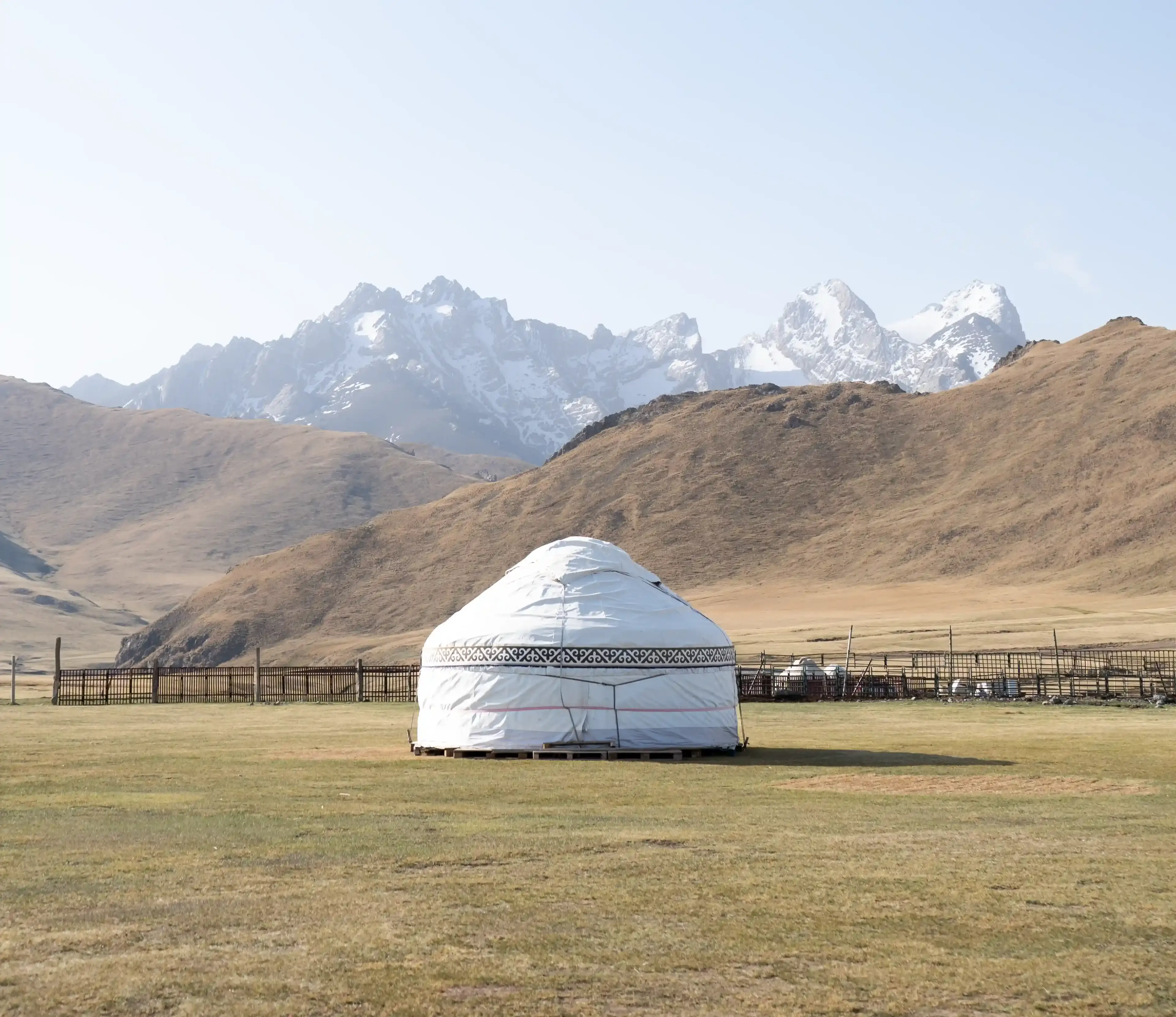
Most treks in Kyrgyzstan include overnight stays at yurt camps, offering a genuine glimpse into the country’s nomadic heritage. These circular tents, with their thick felt walls and wooden lattice frames, are surprisingly warm and cozy-even at high altitudes. Inside, soft rugs and blankets create a welcoming atmosphere, and low wooden tables are often set for meals, giving the yurts a communal, homey feel.
Meals are a highlight of the experience. You’ll enjoy freshly made meals and hearty stews simmered with local meat and vegetables. You may even get to try the traditional fermented mare’s milk that has been part of Kyrgyz culture for centuries. Every meal is a reflection of the land, prepared with ingredients sourced from nearby pastures and farms.
Evenings at the yurt are magical. As the sun sets behind distant peaks, travelers gather around, sharing stories, laughter, and sometimes songs, while guides recount tales of nomadic life, mountain spirits, and local legends. The quiet of the surrounding valleys, punctuated by the occasional neigh of a horse or the gentle rustle of the wind through the grass, makes the experience feel timeless. Staying in a yurt isn’t just accommodation-it’s an intimate cultural immersion, letting you live a night in the life of a Kyrgyz nomad.
3. Horses and Riding Conditions
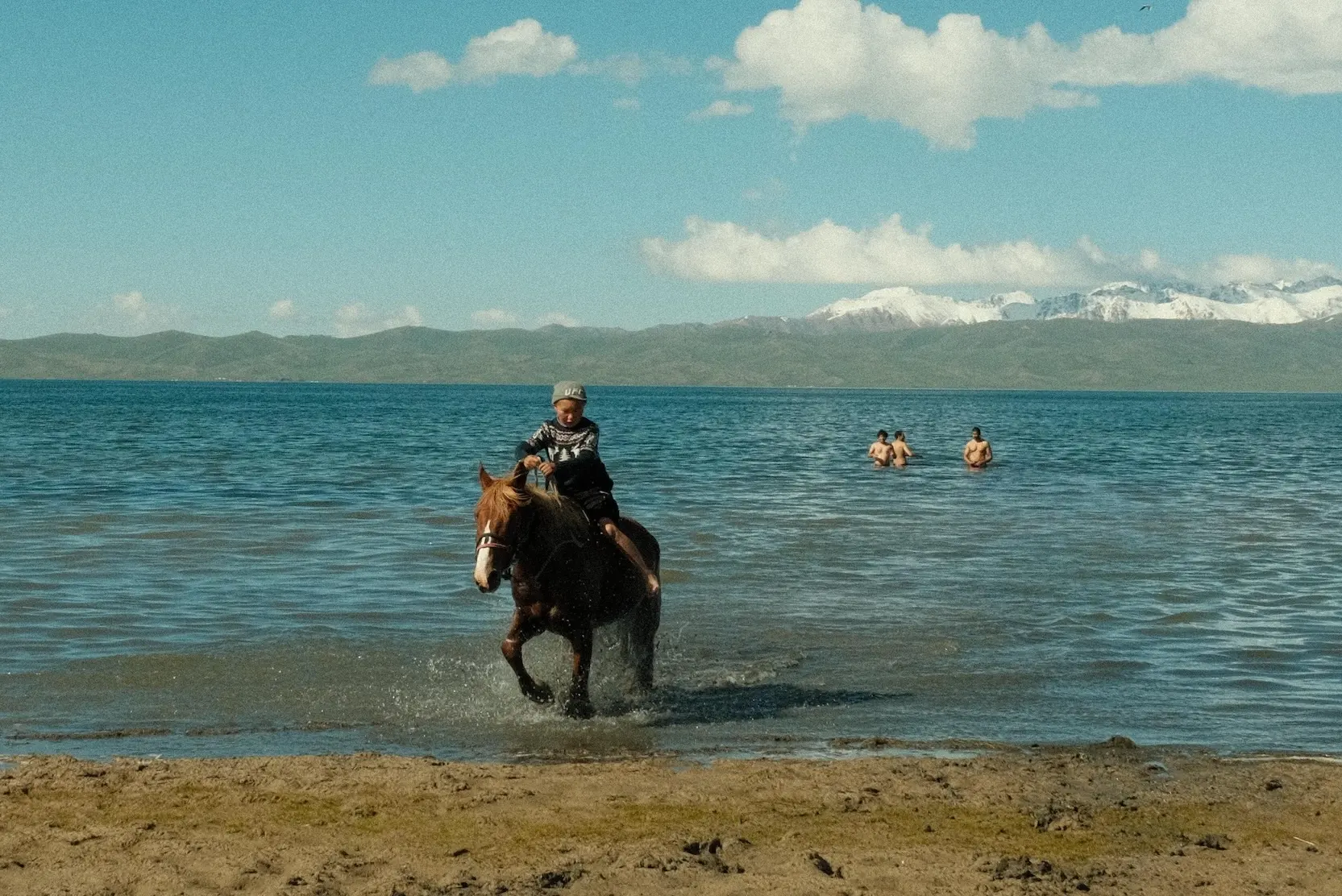
Kyrgyz horses are renowned for their endurance, agility, and sure-footedness, making them perfect for navigating the country’s rugged terrain. They are generally smaller than Western breeds but incredibly strong, able to carry riders across steep passes, narrow trails, and river crossings with ease. Beginners are carefully matched with suitable horses, ensuring a comfortable and safe experience, while more experienced riders can take on spirited or challenging mounts.
Riding conditions vary widely: some days feature relaxed trots through lush valleys where you can take in panoramic mountain views and grazing herds, while others involve steeper climbs, rocky passes, and fast descents, testing balance and confidence. Guides ride alongside the group, offering instructions, support, and tips for communicating with your horse, which is essential for safety and comfort. The bond you develop with your horse during the trek becomes part of the adventure, adding a layer of connection to the landscape and culture.
4. Physical and Mental Preparedness
Horse treks in Kyrgyzstan are physically demanding, often involving several hours in the saddle each day over uneven terrain. Riders need core strength, balance, and stamina, but also mental focus, as the rhythm of the horse and the changing trail can be meditative. It’s not just about endurance-adapting to weather, trail conditions, and unexpected obstacles is equally important.
The experience also challenges your patience and adaptability. Depending on the season, you may face harsh rain, gusting winds, or muddy trails, which can test both rider and horse. Staying calm, listening to your guides, and maintaining a positive mindset are key to enjoying the trek. Many travelers find the combination of physical effort and serene landscapes deeply rewarding, leaving them with a sense of accomplishment and inner calm at the end of each day.
5. Cultural Encounters
A Kyrgyz horse trek isn’t just a journey through landscapes-it’s a journey through living culture. Along the way, you’ll meet nomadic families tending their herds, and you might see traditional felt-making, yurt assembly, or horse training techniques that have been passed down for generations. Locals are famously warm and welcoming, offering greetings, stories, and occasionally sharing meals of fresh bread, dairy, and stews.
These encounters provide a window into centuries-old traditions, from daily routines to seasonal migrations. Learning a few words in Kyrgyz or sharing a simple gesture of respect can go a long way, deepening your connection to the people and their way of life. It’s an immersive experience that turns a horse trek into a cultural adventure, leaving lasting impressions far beyond the mountains themselves.
6. Preparing for Your Trek
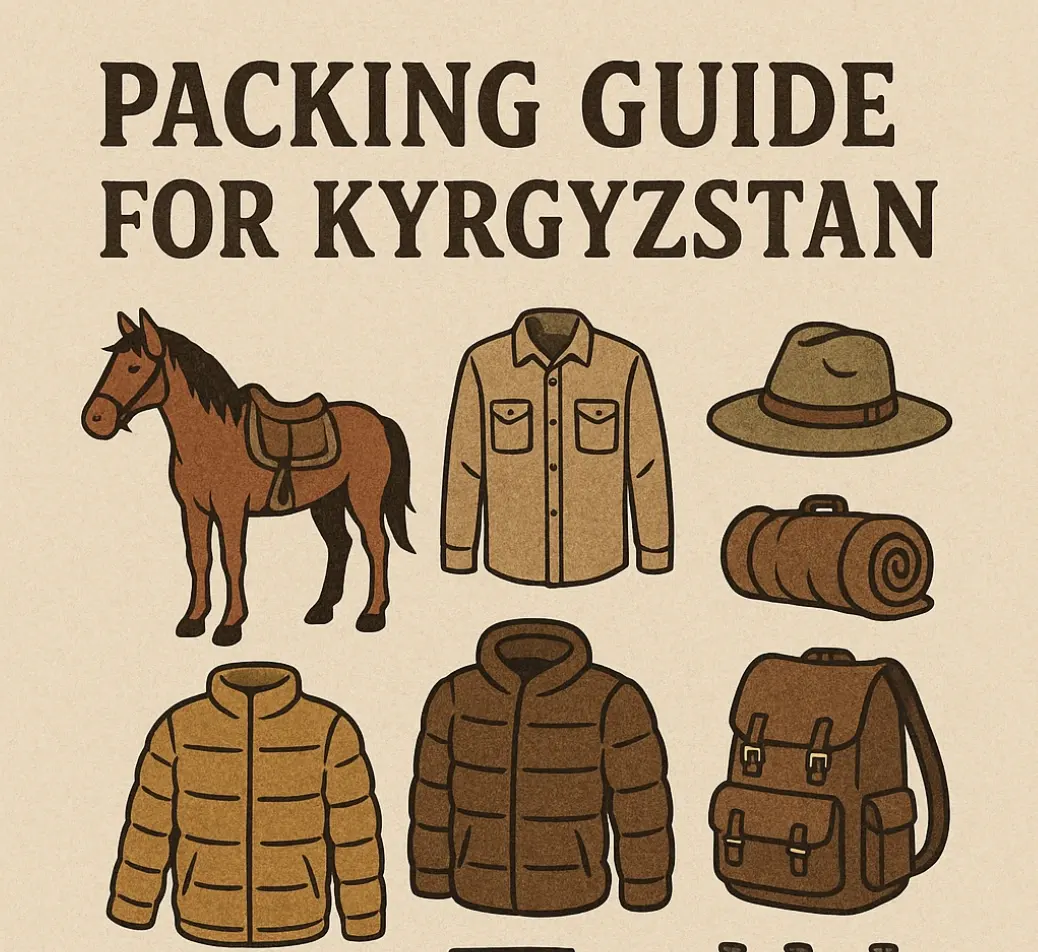
Proper preparation ensures that your trek is both comfortable and safe. Pack layers to adapt to the wide range of temperatures you’ll encounter, from warm sunny valleys to chilly high-altitude passes. A small daypack is essential for snacks, water, a camera, and other daily essentials, while sturdy riding boots and durable clothing help you handle long hours in the saddle. Don’t forget sun protection, including sunscreen, sunglasses, and a wide-brimmed hat.
Check with us about provided amenities, such as sleeping bags, horse tack, and meals, so you can pack efficiently. Personal items like a light rain jacket, gloves, and a reusable water bottle are also highly recommended. Preparing thoughtfully allows you to focus on the experience itself-riding through valleys, connecting with horses, and immersing in Kyrgyz culture-without worrying about logistics.
7. Tips for Travelers
- Best Time to Visit: July and August offer warm weather and open mountain passes.
- Stay Hydrated: High-altitude trekking can dehydrate you quickly.
- Respect Local Customs: Always greet your hosts and accept tea or food graciously.
- Travel Light: Your horse carries your gear, but avoid overpacking.
- Bring a Camera: Landscapes are unforgettable.
The Rewarding Experience
At the end of each day, you’ll feel accomplished and connected-to nature, culture, and yourself. Kyrgyzstan’s horse treks are journeys where mountains dictate your rhythm and every sunset is spectacular.
Whether you’re an experienced rider or a curious traveler, this adventure promises memories that last a lifetime.